
Guides & questions
Colorado window tint laws: what to check before you install
A practical Colorado Springs guide to visible light transmission, rear glass, windshield strips and why the vehicle-and-glass combination matters.
Start with the actual Colorado rule
Colorado Revised Statutes section 42-4-227 is the place to start. In the linked 2024 Title 42 text, the windshield must allow at least 70% light transmittance. For a vehicle registered in Colorado, windows other than the windshield generally may not allow less than 27% light transmittance. Those numbers describe the light passing through the installed window combination, not a promise that a film labeled with a number will produce that result on every vehicle. Factory glass, existing film and the new film all affect the reading.
Rear glass has a specific exception
The statute says windows to the rear of the driver, including the rear window, may allow less than 27% when the windshield and front side windows allow at least 70%. That is why a dark-looking rear window cannot be evaluated by itself. The front side glass and windshield still matter. The law also addresses metallic or mirrored appearance, which is prohibited, and permits a nontransparent strip at the top of the windshield only under stated conditions about height, color, vision and glare.
Treat a percentage as a measurement
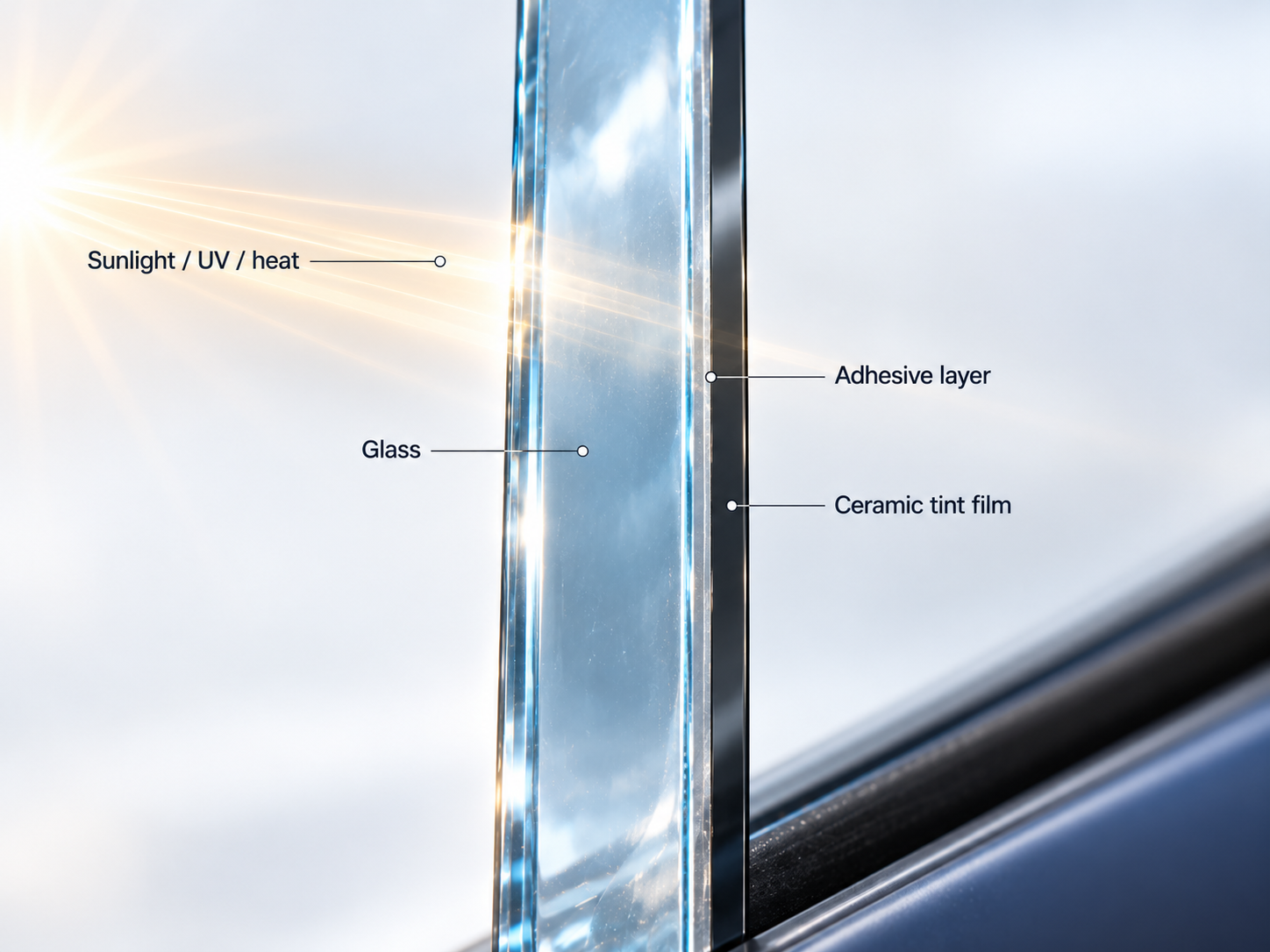
Visible light transmission, or VLT, is a useful specification when comparing film. It is not the same as a legal approval. Ask the installer what the proposed film is, what glass it will be applied over, and how the combined result will be checked. If the vehicle has factory privacy glass, an older film or unusual glass, a shade that looked acceptable on another car may not produce the same measurement here.
What to bring to a quote
Send the year, make and model, the glass you want treated, and photos of any existing tint. Mention whether you drive at night, cross state lines or need a windshield strip. Auto Vos can discuss a film and coverage plan, but the final compliance question belongs to the current statute and the specific vehicle. Laws and official guidance can change, so confirm the current text before installation.
Tell us about your car.
Share the model, what you want to protect and any existing film or coating. We’ll talk through the options and quote the work. Get a quote.

Auto Vos · Colorado Springs
Your XPEL-certified shop.
We use XPEL films and coatings to protect your car’s glass and paint. We’ll help you choose the product and coverage for your car.
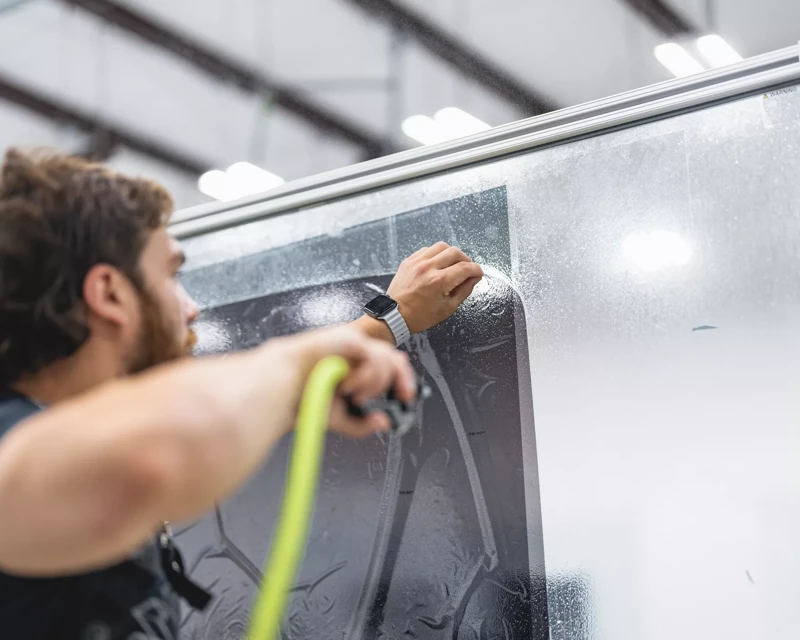 Ceramic window tint
PRIME XR PLUS
Film that helps reduce solar heat and glare.
Explore at XPEL ↗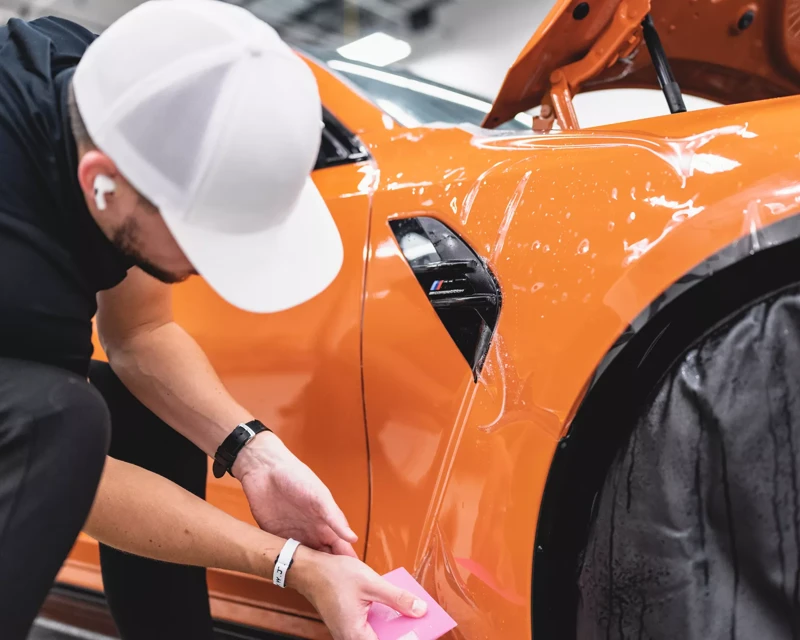 Paint protection film
XPEL PPF
A clear film barrier over your car’s paint.
Explore at XPEL ↗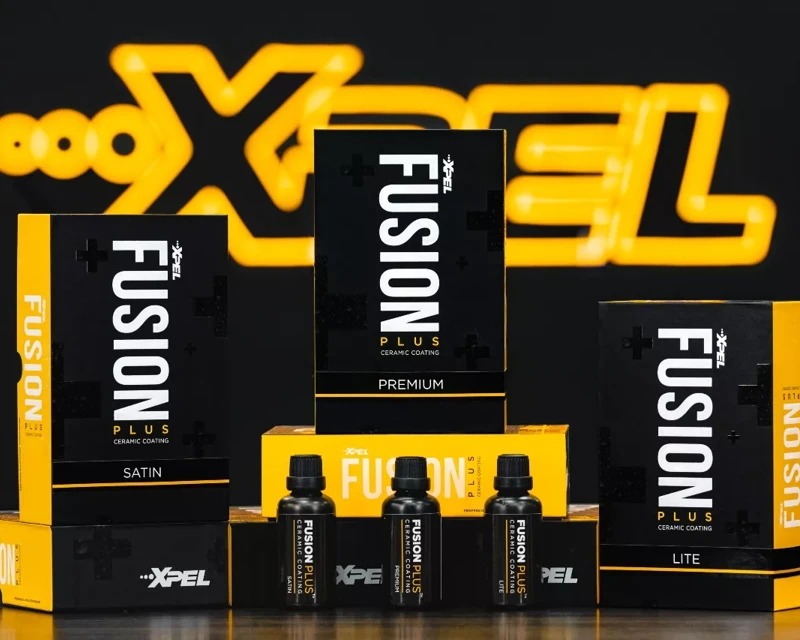 Ceramic coating
FUSION PLUS
A coating that makes compatible surfaces easier to clean.
Explore at XPEL ↗Product photographs: XPEL. Visit XPEL for product specifications. We’ll confirm the exact product in your quote.